

Ready to Start Your Finance Journey?

Before diving into our comprehensive finance insights program, let's make sure you're prepared for success. These essential steps will set you up for meaningful learning and real progress.

Financial Readiness Assessment

Understanding your current financial knowledge and goals helps us tailor the experience to your needs. Each stage builds on the previous one — honest self-reflection here leads to better outcomes later.

  • Current Financial Understanding
    1
  • Personal Money Management Skills
    2
  • Investment Knowledge Base
    3
  • Learning Goals and Timeline
    4
  • Time Commitment Availability
    5
Financial assessment tools and documents on desk with calculator and charts

Learning With Others

Finance education works better when you're not going it alone. Our community approach means you'll connect with people facing similar challenges and share insights that stick.

Study Groups

Small groups work through concepts together, making complex topics more manageable

Peer Review

Get feedback on your financial plans from others learning the same skills

Discussion Forums

Ask questions and share experiences in our moderated online community

Project Partners

Team up for practical exercises like budget planning and investment analysis
Community Learning

What You'll Gain

  • Different perspectives on financial decisions
  • Accountability partners for your learning journey
  • Networking opportunities with like-minded individuals
  • Confidence through shared experiences
  • Real-world insights from diverse backgrounds

Questions at Each Stage

Your financial education journey has distinct phases. Here are the key questions people typically ask at each stage of learning.

1

Before Starting

  • Do I have enough basic math skills for financial calculations
  • What's the time commitment for meaningful progress
  • Should I handle my current debt situation first
  • Is this the right time in my life to focus on learning
2

Early Learning

  • How do I organize my finances while learning new concepts
  • What if I'm struggling with certain topics
  • When should I start applying what I'm learning
  • How do I balance theory with practical application
3

Mid-Program

  • Am I making the right investment choices for practice
  • How do I handle conflicting financial advice
  • Should I be seeing results in my personal finances yet
  • What's normal for progress at this stage
4

After Completion

  • How do I stay updated with changing financial markets
  • What advanced topics should I explore next
  • How can I continue learning and growing
  • Should I consider helping others with their financial education
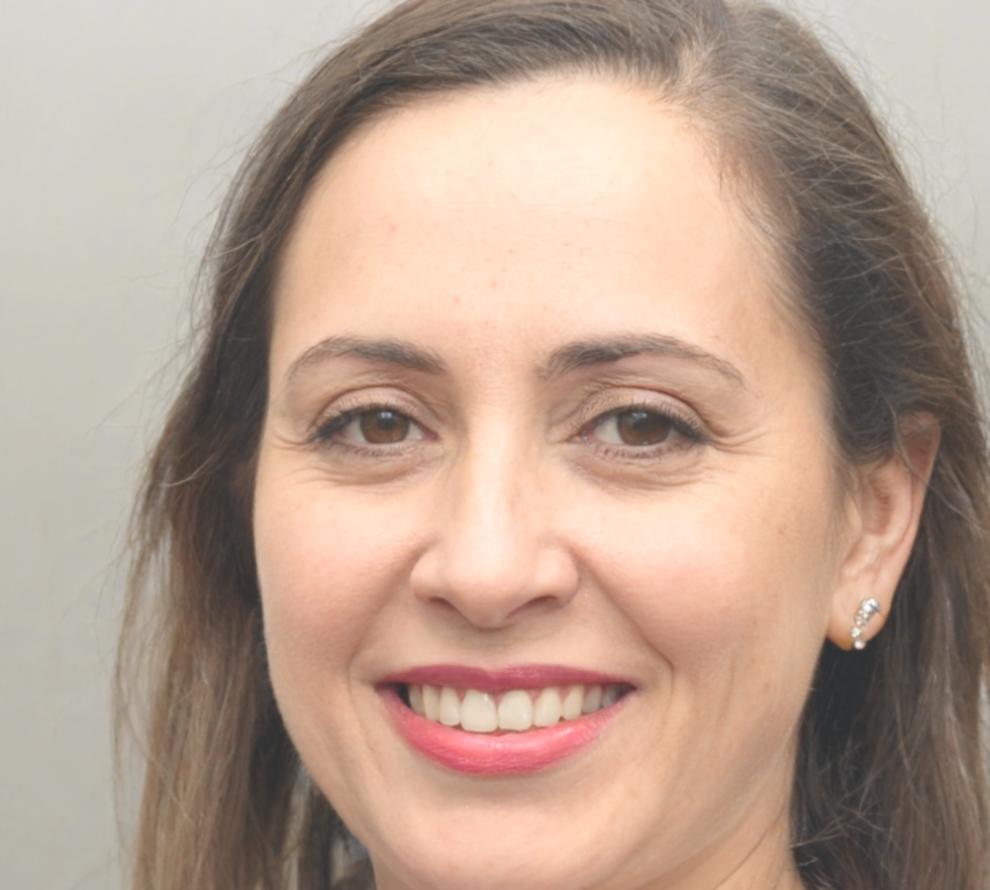
Finance education expert and program coordinator

Meet Your Program Coordinator

Financial Education Specialist

"The biggest mistake people make is jumping into financial education without understanding their starting point. I spend the first few weeks of every program helping students assess where they are and where they want to go. It makes everything else so much clearer."

Sarah has guided over 800 students through financial literacy programs since 2019. Her background includes corporate finance and adult education, which means she understands both the technical side and how adults actually learn best.

Explore Our Program
87%
Complete Pre-Assessment
6
Average Study Hours Per Week
92%
Finish Full Program
18
Months Average Implementation